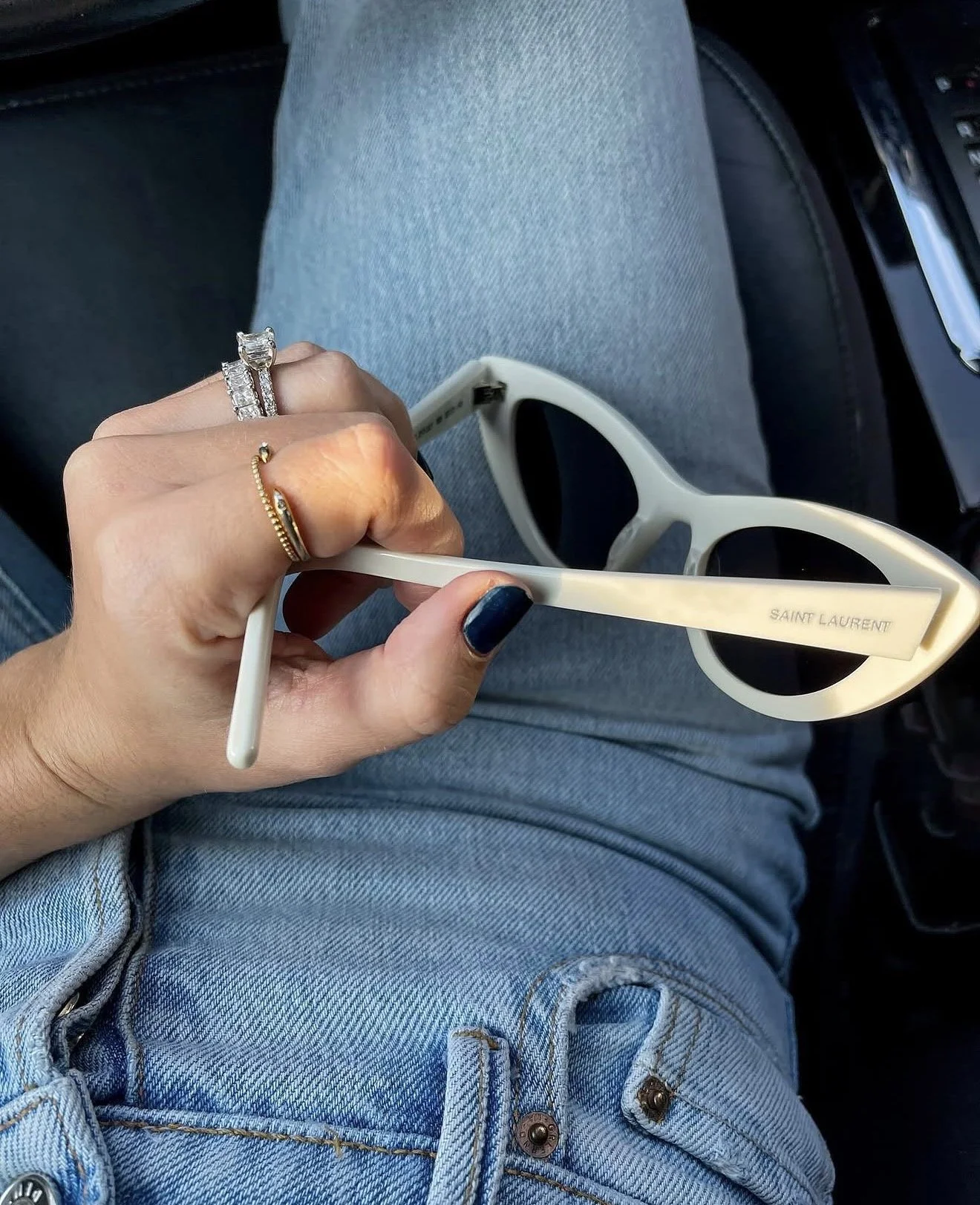
There are trends I love because they feel new, trends I love because they give me an excuse to buy something new, and then there are trends that make me realize I’ve apparently been participating for years without knowing it was a trend at all. Personal jewelry falls firmly into the last category.
One of the biggest jewelry trends of 2026 is a move toward pieces that feel more expressive and individual. Initials, birthstones, colorful stones, layered necklaces and rings stacked together in combinations that are specific to the person wearing them. Essentially, jewelry is getting personal again, and I am very much here for it.
Because while I love a beautiful piece of jewelry simply because it’s beautiful, the pieces I end up loving the longest usually have something else attached to them. A person. A trip. A milestone. A memory. Or sometimes just a version of myself I want to remember.
Which brings me to Katie Dean Jewelry.
I’ve been wearing Katie Dean Jewelry for nearly a decade, which feels slightly offensive to type because surely I am not old enough to have been doing anything for a decade. I originally discovered Katie while working for another jewelry brand and constantly found myself saving the same beautiful imagery for photoshoot inspiration, only to realize over and over again that it was hers.
I loved the branding, I loved the jewelry, and as I learned more about the woman behind both, I loved the business she was building too.
I actually featured Katie on The Creative Brief back in 2022 as part of my Brand Brief series highlighting women-owned businesses. At the time, we talked about creativity, entrepreneurship, the winding road that led her to jewelry design, and her belief in building a business with purpose. Years later, I’m still wearing her jewelry daily and still cheering her on, which makes our most recent collaboration feel especially full circle.
Katie generously gifted jewelry for my friend’s bachelorette weekend this summer, and watching everyone light up at the pieces reminded me why I’ve loved her designs for so long. They’re dainty and easy enough to become part of your everyday jewelry, but there’s still personality behind them. They don’t need to scream to say something.
And apparently, the 2026 trend cycle agrees.
Jewelry Is Telling Stories Again
Personalized jewelry is everywhere right now, but I think the more interesting part of the trend is what we’re choosing to personalize and why.
An initial can represent you or someone you love. A birthstone can mark your own birthday, your partner’s, your child’s, or someone else you want to keep close. A ring added to a stack can represent a completely different era than the one sitting beside it. Even a pair of earrings you’ve worn on enough vacations, dinners, and random Tuesday mornings to grab coffee eventually becomes part of your visual identity.
Some jewelry announces itself. The best jewelry introduces you.
I’ve always liked the idea that personal style should tell you something about the person wearing it, and jewelry might be the smallest possible version of that. You don’t have to know why someone wears a particular necklace every day for it to mean something to them.
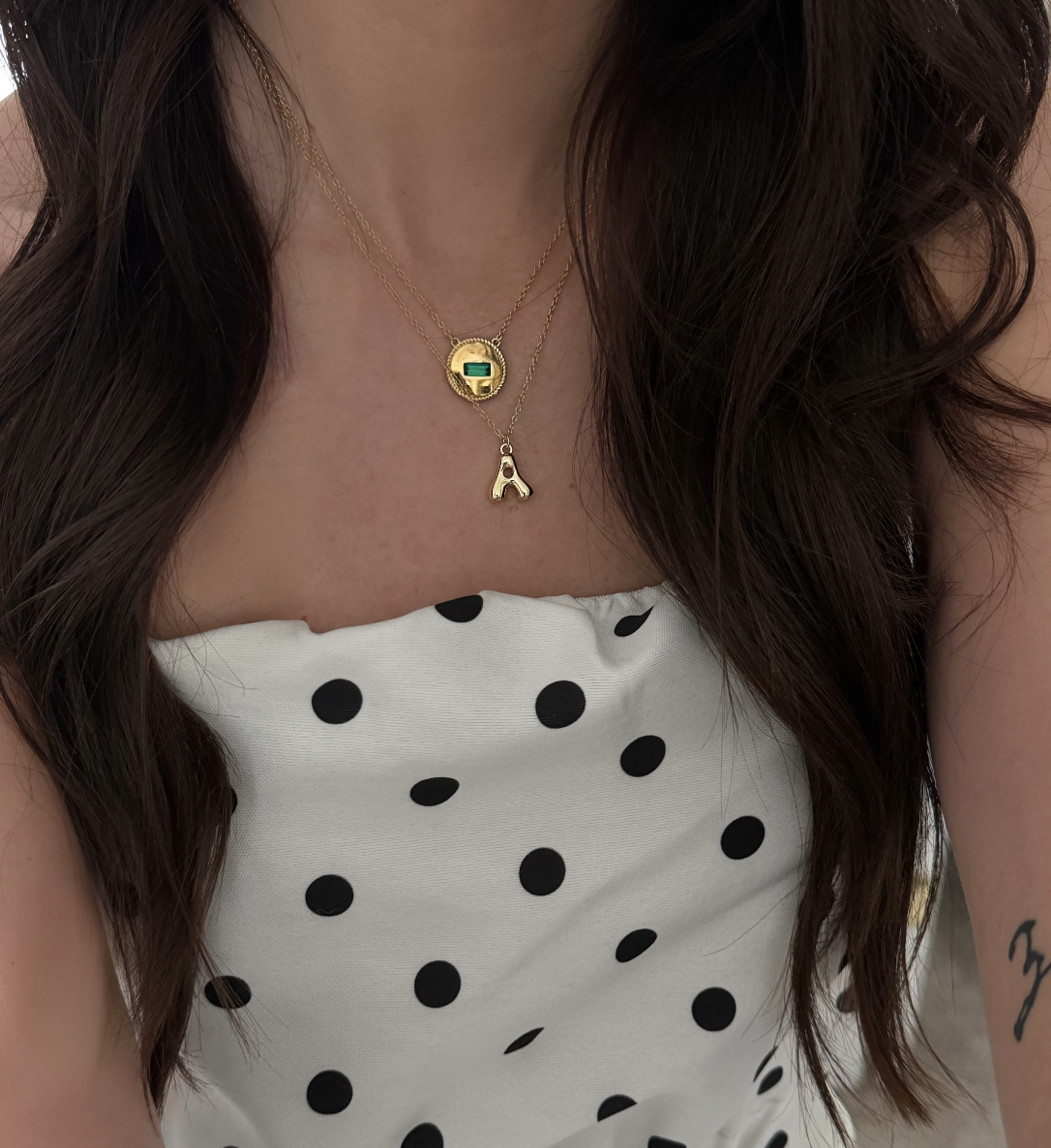
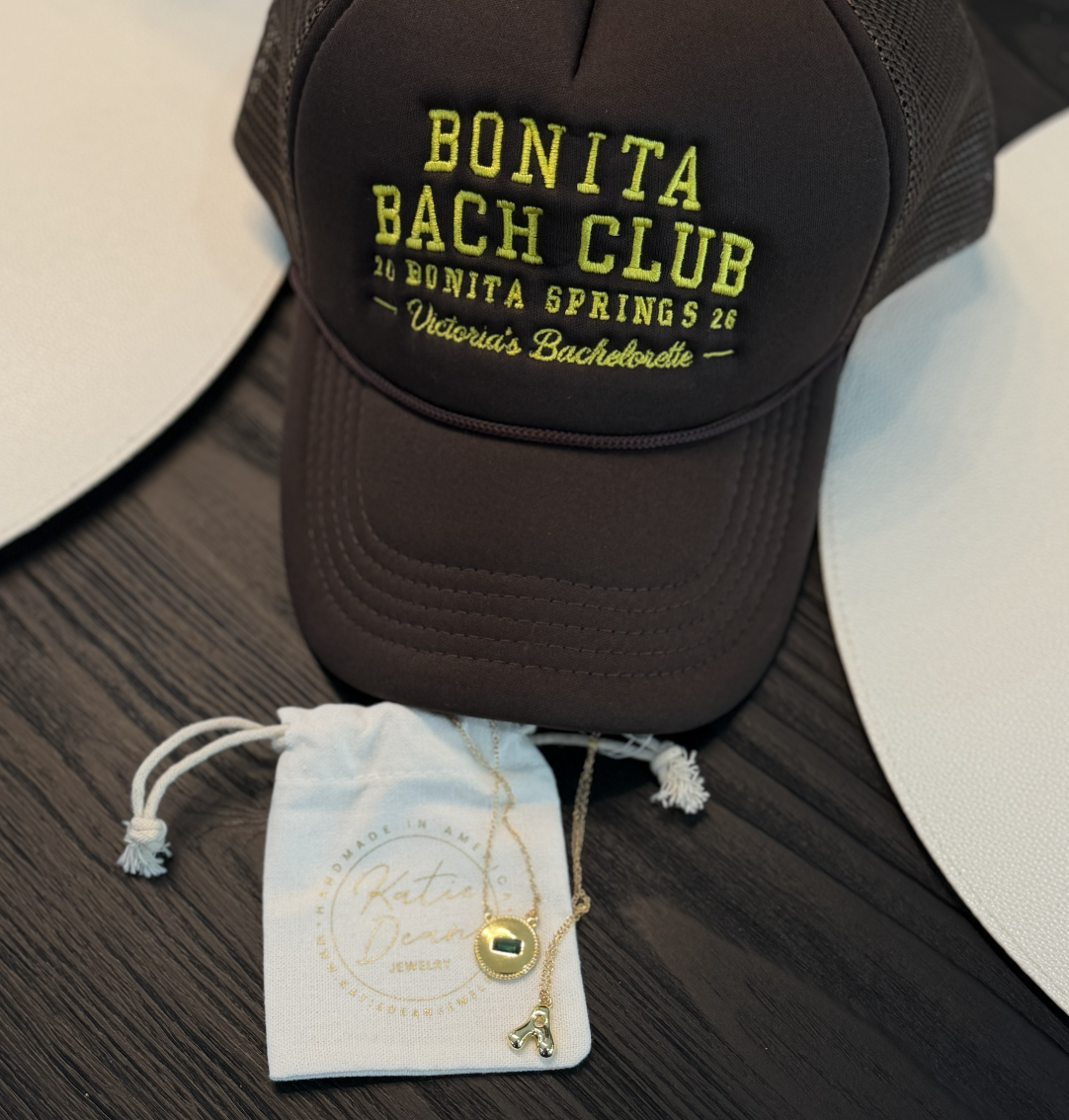
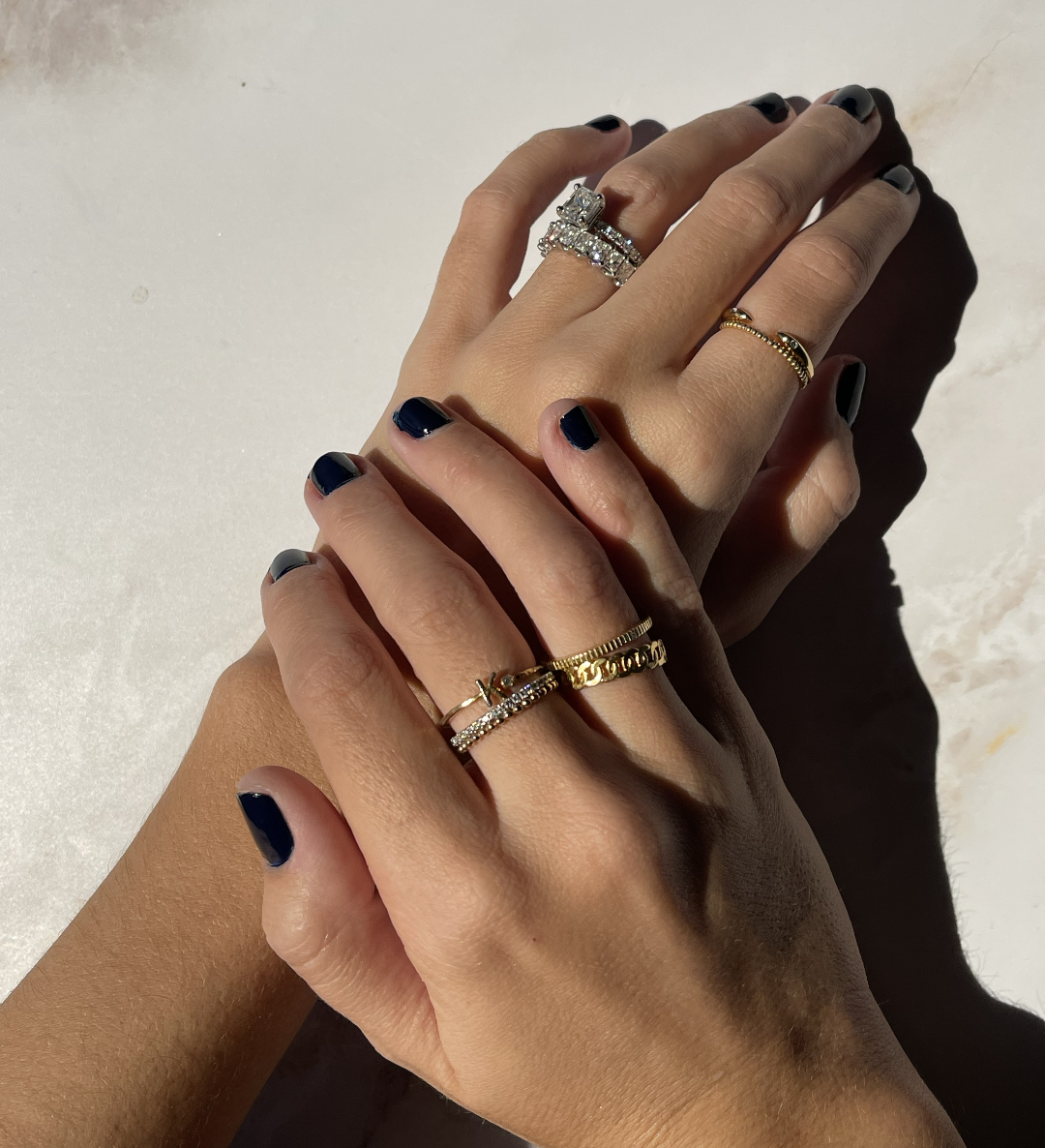
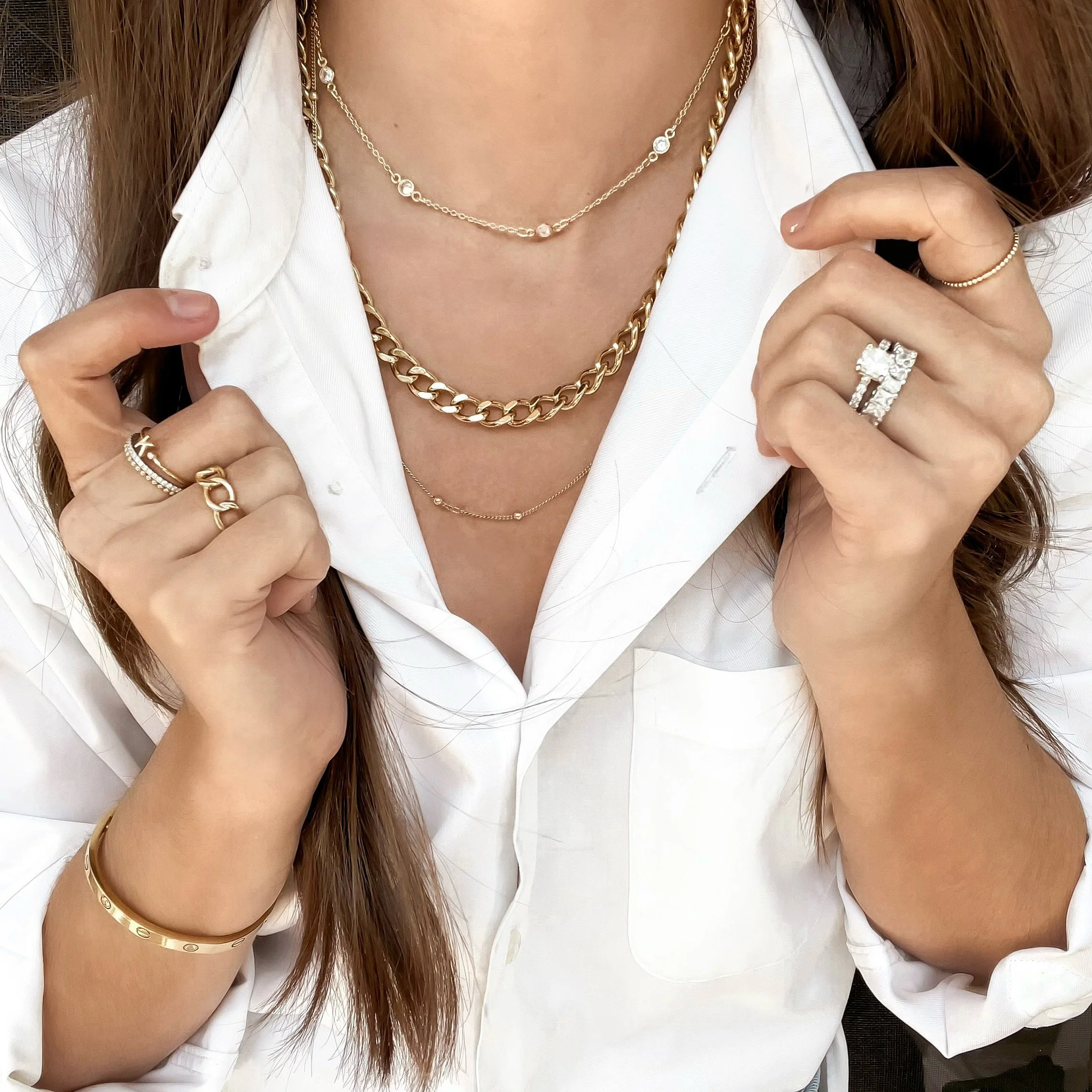
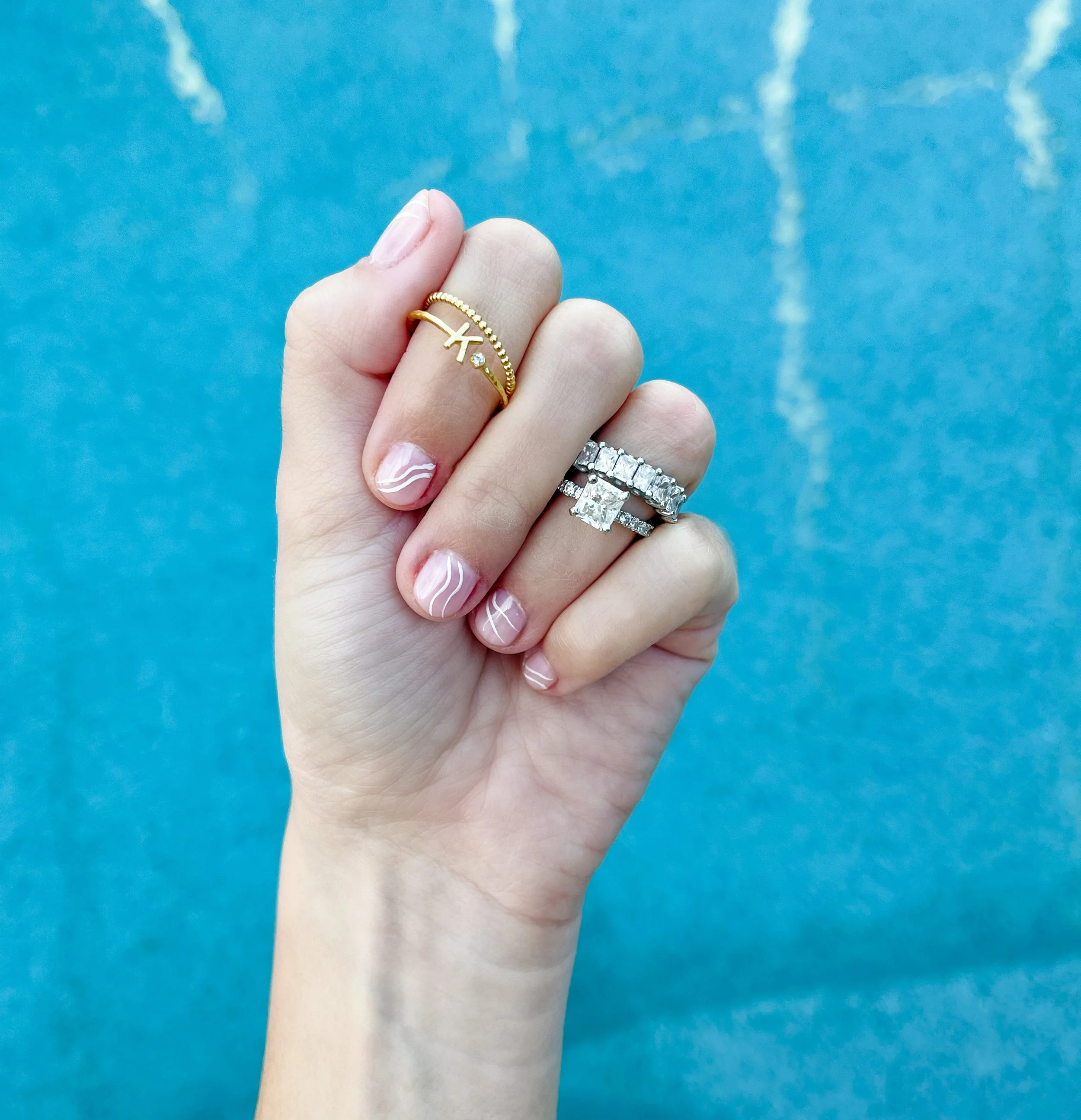
My own Katie Dean Jewelry collection is a perfect example. The Puffy Initial Necklace and Initial Ring are personal without feeling overly precious. The Birthstone Necklace brings in a little color and meaning. The Baguette Stud Earrings are exactly the kind of simple, polished piece that somehow works with everything. And her stacking rings are made for collecting and combining rather than wearing according to some predetermined formula.
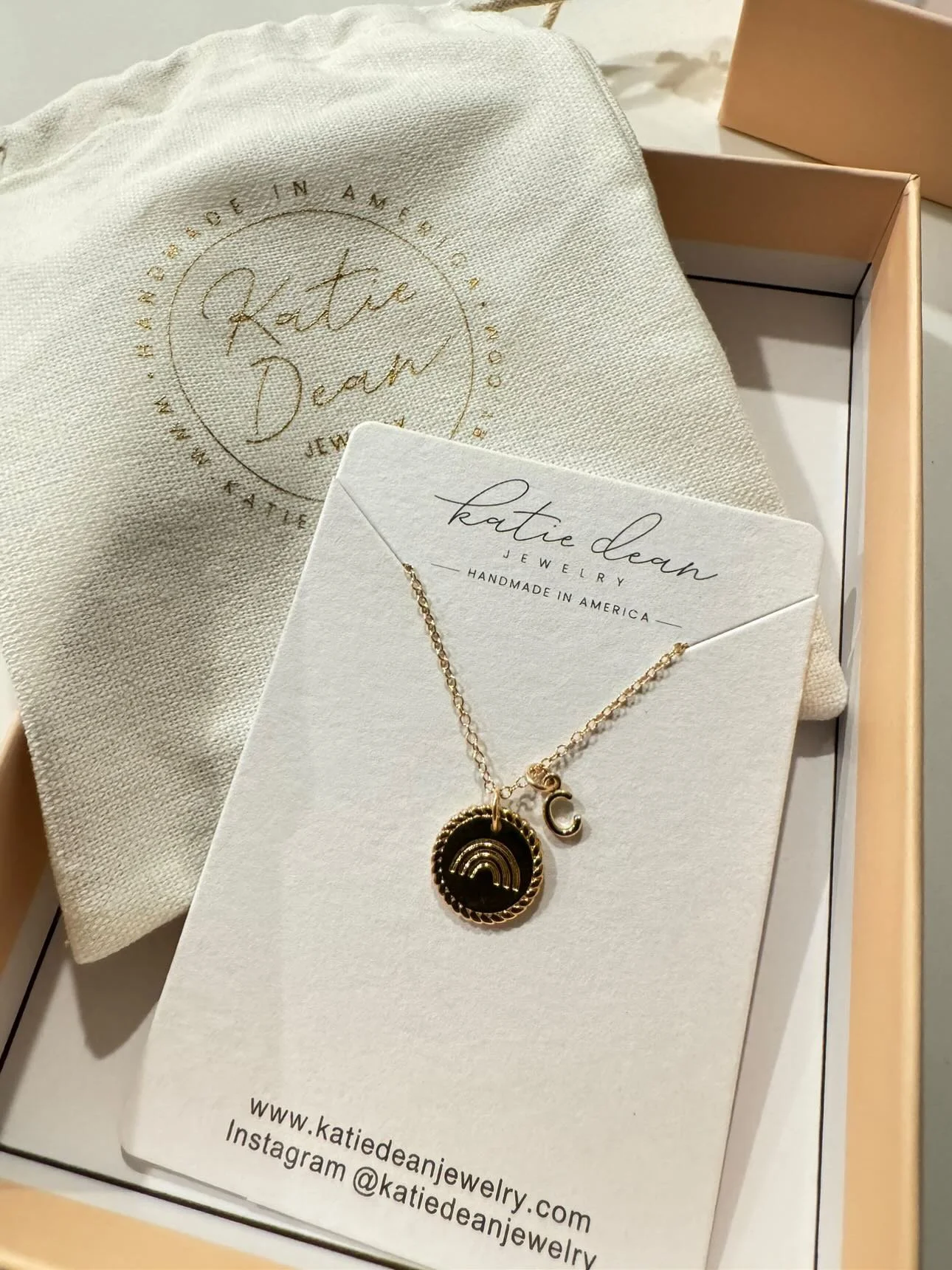
Then there’s the Rainbow Necklace.
Years ago, someone close to me experienced a pregnancy loss, and after she learned she was pregnant again, I wanted to gift her something that felt meaningful when there really weren’t words that felt meaningful enough. I chose Katie’s Rainbow Necklace. When Katie learned why I was sending it, she helped me put together an especially thoughtful package for my friend and added to the necklace with a personal touch that made it even more special. I’ve never forgotten that kindness.
It was a small gesture in the grand scheme of things, but it said so much about Katie and the kind of business she had created. The necklace was beautiful, but the care behind it was what made the gift special. It became more than jewelry before it ever reached the person who would wear it.
The Art of Giving Something Personal
Maybe that’s also why jewelry remains one of my favorite things to give.
I’m a big believer that the best gifts aren’t necessarily the biggest or most expensive. They’re the ones that make someone wonder, “How did you know?” A birthstone. Their initial. A symbol that means something between the two of you. Something small enough to give just because you saw it and immediately thought of them.
Katie’s pieces sit in that sweet spot for gifting because they feel special without requiring a special occasion, but also meet the mark if something is needed for a special occasion. They’re beautifully made, thoughtfully designed, and at a price point where you can give someone a piece because it’s their birthday, because they’re celebrating something, because they’re going through something, or simply because you love them.
The 2026 Jewelry Trend I’m Keeping
Fashion trends are fun because they give us new ways to look at what we already own, but I don’t think personal jewelry really needs an expiration date.
If anything, I love that the current jewelry conversation is less about everyone owning the same piece and more about creating combinations that belong specifically to you. Stack the rings, mix the metals, wear your initial, or someone else’s. Add the necklace from the trip, the ring from your grandmother, and the earrings you bought yourself after getting the promotion. There doesn’t need to be a formula.
After nearly a decade of wearing Katie Dean Jewelry, getting to incorporate her pieces into a friend’s bachelorette felt like adding another tiny chapter to a story that has been unfolding for years. A brand I discovered because I loved its creative direction eventually became a woman-owned business I admired, a designer I’m was lucky enough to call an internet friend (hoping to turn into IRL friends!), jewelry I’ve worn and gifted through different seasons of my life, and now part of a weekend celebrating one of my closest friends.
So yes, personalized jewelry might be one of 2026’s biggest trends, but maybe the chicest part is wearing something that actually means something to you.
The Katie Dean Pieces I Love

Puffy Initial Necklace: A fresh take on an initial necklace that still feels easy enough for every day.
Initial Ring: Personal, subtle, and especially good mixed into a stack.
Birthstone Necklace: One of my favorite options for gifting because the meaning can be as obvious or as personal as you want it to be.
Baguette Stud Earrings: The wear-with-literally-everything pair. Simple, polished and never boring.
Stacking Rings: The whole point is making the combination your own. Mix styles, textures and meanings and keep adding over time.
Rainbow Necklace: A beautiful little piece with a lot of heart behind it, and one that will always remind me why the people behind the brands we support matter too.
Follow Katie Dean Jewelry on Instagram and shop all her pieces at katiedeanjewelry.com